Cultural Autopsy: Rihanna Found More Than an Audience. She Found a Customer Need.
What Fenty Beauty teaches founders about turning influence into a product people choose on its own merits.
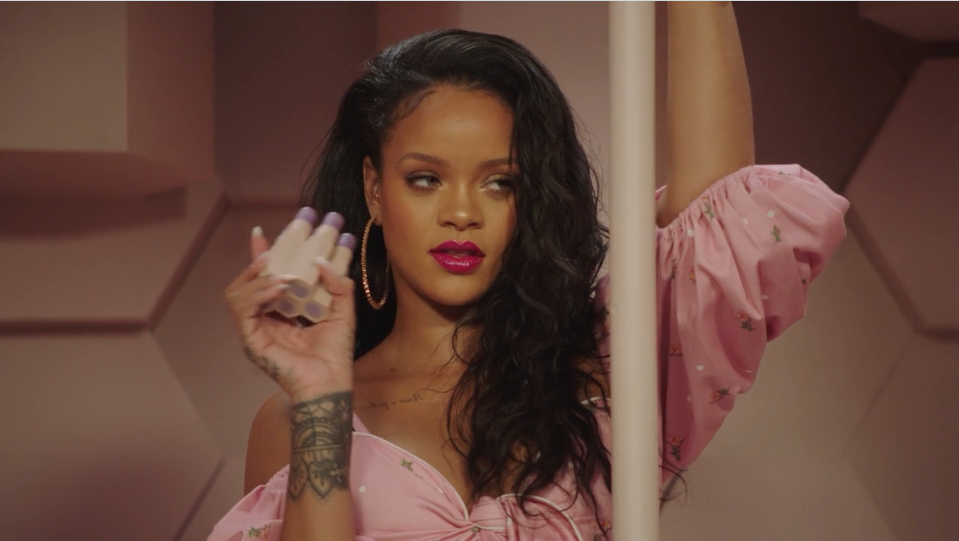
When I think about Rihanna’s business success, I think about what she built beyond music.
She had attention, recognition, and a relationship with millions of people. But what interests me strategically is how that influence connected to a product with a clear purpose.
Fenty Beauty addressed a frustration customers could recognize: finding makeup that worked for their skin tone.
That is where I would begin this breakdown.
The problem behind the product
Fenty Beauty launched in September 2017 with 40 foundation shades. Its launch announcement explicitly identified traditionally hard-to-match skin tones as part of the need it intended to serve.
I wouldn’t describe that audience as nonexistent before Fenty. These customers were already buying makeup, searching for matches, and making compromises.
The opportunity was to serve them more deliberately.
That distinction matters to me as a strategist. Sometimes the customer you’re looking for is already spending in your category. The question is whether the available options fully address their needs.
Sometimes the customer you’re looking for is already spending in your category. The question is whether the available options fully address their needs.
What are they struggling to find? What have they learned to tolerate? What would make them feel that a product was developed with them in mind?
Those questions can reveal a business opportunity.
Inclusion became a product decision
My reading of Fenty’s launch is that the message had something tangible behind it.
A broad shade range gave customers a way to evaluate the promise. Could they find a match? Did the product work for them?
The positioning reached into the assortment itself.
That is an important lesson for founders. If you say you understand a customer, where does that understanding appear in the product, service, or experience?
It might appear in the sizes you carry, the support you provide, the way you deliver a service, or a feature your competitors overlook.
The message becomes more convincing when customers can experience what it means.
Influence opened the door. Distribution supported the purchase.
Rihanna brought extraordinary visibility to the launch. Fenty also launched with Kendo, an LVMH-owned beauty developer, and announced availability in 1,600 stores across 17 countries on its first day.
That infrastructure belongs in the analysis.
A celebrity name can create curiosity. Customers still need access to the product, confidence in the purchase, and a satisfactory experience.
My interpretation is that Fenty connected several pieces: a recognizable founder, a specific customer need, a product expression of that need, and substantial distribution.
For a smaller business, the scale will be different. The questions remain useful.
If your next campaign attracts attention, can the intended customer find the right product? Can they evaluate it? Can you fulfill the demand?
The business created value beyond the next release
In its 2021 assessment, Forbes attributed most of Rihanna’s estimated wealth to the value of her Fenty Beauty ownership stake. That was a historical valuation estimate—not a measure of cash in her bank account.
What interests me is the business model.
Her commercial opportunities extended beyond music consumption into a product category with its own customer demand.
Someone could become a Fenty customer because the foundation met their needs, regardless of how closely they followed Rihanna’s music.
For founders and creators, that raises a valuable question:
What could you build that benefits from your influence and gives customers a strong reason to choose it on its own merits?
Where I would look next: experience and follow-through
My first instinct was to explore experiential marketing: bringing customers together around beauty, music, and a shared experience.
Researching this piece showed that Fenty already has an in-person foundation to build on. Its website lists global shade-matching events, including retail events and pop-up formats.
So if I were invited into a strategy meeting, I would want to understand what happens around and after those experiences.
Who attends? What brings them in? What do they need help choosing? What happens once they leave?
I would explore an experience that combines useful product guidance with an atmosphere customers enjoy spending time in.
Then I would examine the follow-through.
With the customer’s permission, could their shade match inform a useful follow-up? Could they receive application guidance relevant to what they purchased? Could a future invitation give them a reason to return?
These are questions I would investigate, rather than assumptions about what Fenty currently lacks.
How I would map the journey
Through my Attention, Capture, Nurture, and Monetize framework, I would examine:
- Attention: What draws the intended customer into the campaign or experience?
- Capture: What useful reason do they have to stay connected?
- Nurture: What guidance helps them feel confident using and choosing products?
- Monetize: How easily can they purchase what fits their needs?
I would also examine retention: whether the experience gives customers a reason to replenish, return, and recommend the brand.
The event is one part of that relationship. Its strategic value depends on how the surrounding pieces work together.
The question for your business
The lesson I draw from Fenty begins with customer understanding.
Before asking how to generate more attention, examine the problem your business is positioned to solve.
Who is still making compromises in your category? What would serving them well require? How would that change your offer, message, distribution, or customer experience?
Rihanna’s visibility made Fenty’s launch a cultural moment. The customer need gives us something substantive to study.
At QR Consulting, I help established founders and brands connect audience insight, offers, messaging, and customer journeys—so attention has a clear path into the business.